

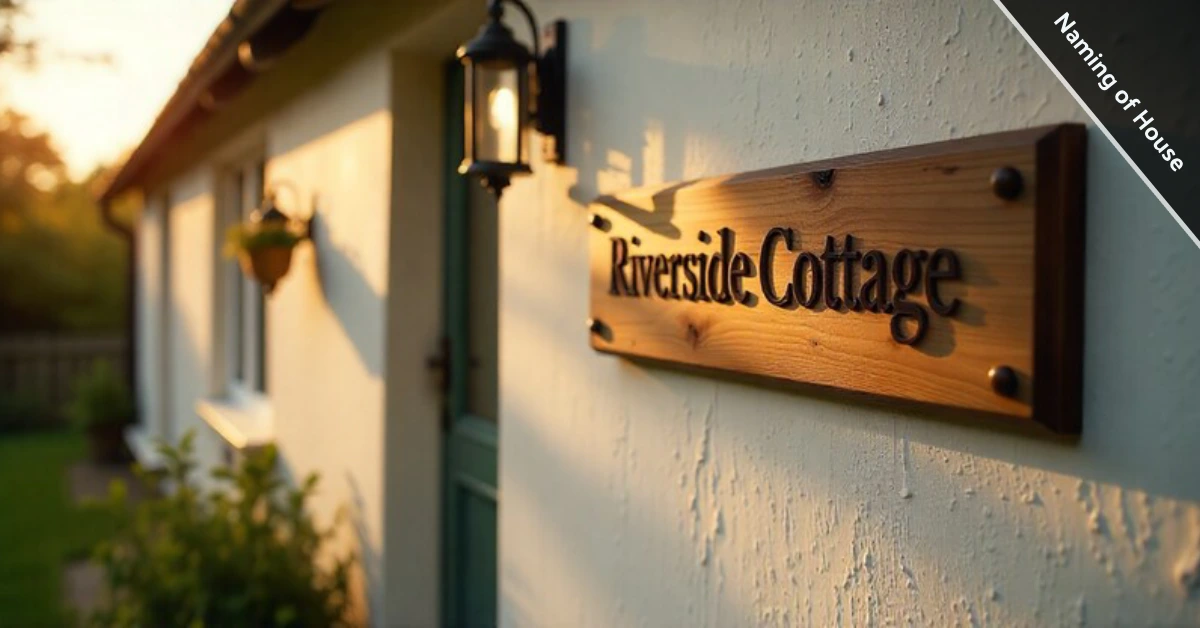
Naming your house might sound like a luxury reserved for grand estates and sprawling mansions. It’s not. More homeowners are discovering that giving their home a name adds personality, creates identity, and can even boost resale value. Whether you live in a bungalow, a townhouse, or an apartment, your home deserves a name that captures its character and your story.
Naming your house creates a personal connection to your space. It transforms a simple address into something memorable. Carrie Wells, a real estate agent in Aspen, Colorado, notes that a home’s name can be as important as listing photos when marketing properties. The practice gives your home an identity beyond “the house on Maple Street.” It becomes a place with its own personality and legacy. From classic estates like Fallingwater and Graceland to vacation homes with playful names like “Beachcomber’s Haven,” house names reflect the character of those who live there and honour their surroundings.
Does Naming Your House Add Real Value?
You might wonder if naming your house serves any practical purpose. The answer is yes. A well-chosen name can increase buyer interest when you sell. Wells explains that naming a property helps potential buyers envision themselves living there, making it feel less like someone else’s house.
A survey from Globrix found that one in 14 buyers would pay more for a home simply because it had a name, while 40% said they’d be more interested in viewing a named property.
The key is choosing the right type of name. Avoid using your family name unless it carries historical significance or prestige. Instead, pick something charming and descriptive that speaks to the property’s character. Names tied to location, natural features, or architectural style tend to perform best with buyers.
For vacation rentals, a memorable name is even more critical. It helps your property stand out in crowded listings and creates brand recognition. Guests remember “Seaside Sanctuary” far better than “123 Beach Road Unit 4.”
Beyond hospitality, a named home can also carry significant real-world value. In one notable case, a Gold Coast property named “Pala” — chosen to reflect the owner’s love for the Chevrolet Impala — sold for a record AUD 14.005 million, demonstrating how a thoughtful name can become part of a home’s identity and market appeal.
The History Behind House Naming
House naming dates back to around the year 1200, when homes were often named after the head of household before modern street numbering systems emerged. This practice helped distinguish properties based on the owner’s family name or the land’s characteristics.
By the 1600s, naming customs had evolved. During the Enlightenment, it became fashionable across Europe to name houses after states of mind, like Frederick the Great’s palace “Sans Souci” (meaning “No Worries”) in 1746. These names reflected a cultural shift toward viewing homes as personal retreats.
The practice changed again in the mid-1700s when London began assigning building numbers. Yet the tradition persisted, especially in England, where house names remain common today. Anglo-Saxon immigrants brought house-naming traditions to North America, with homes like Washington Irving’s “Sunnyside” farmhouse in Sleepy Hollow popularising the custom in 1841.
In the American South, naming homes became particularly popular among families with land and legacy. The tradition helped differentiate properties before modern addressing systems, with names often based on location, family history, or natural features. Vacation homes in lakefront and beachside regions still embrace this tradition, using names that evoke relaxation and fun.
How to Pick the Right Name for Your House
Start by observing your home and its surroundings. The best names feel natural and tell a story. Here’s how to find one that fits.
Draw from Your Location
Look at the natural environment around your home. Mountains, rivers, forests, and coastlines all inspire. A home near water might be “Creek View” or “River Bend.” Properties surrounded by trees could be “Oak Haven” or “Pine Ridge.”
Consider your region’s history, too. What grew on the land before development? Were there farms, orchards, or native plants? These details can inform your choice. A Victorian home in a city centre might suit something like “Grand Dame,” while a rural cottage could be “Meadow’s End.”
Consider Your Home’s Architecture
Your home’s style offers naming clues. Is it a cottage, bungalow, lodge, or manor? These descriptors work well as suffixes. “Rosewood Cottage” or “Birch Hill Lodge” immediately paints a picture.
Look for unique architectural features. A home with distinctive gables might inspire “The Gables.” One with a turret could be “Tower House.” Starting with a word that describes your home type, like cottage or loft, gives you a strong foundation for building a complete name.
Make It Personal
The best house names reflect your family’s story. Think about inside jokes, traditions, or meaningful moments you’ve shared in the space. Your grandmother’s favourite flower, a pet’s personality, or a family vacation memory can all inspire names.
One reader named their home “Corner Cottage” because it was a cute cottage on the corner, while another called theirs “Pink Door” after painting their entrance pink in college. Simple observations often make the most authentic names.
You can also honour your heritage. If your great-grandfather grew up in Ireland, consider Gaelic place names. A family connection to France might inspire something with French flair.
Consider the Deeper Meaning Behind Your Name
In some traditions, a home’s name carries more than just sentimental value. Practices likVastu Shastrara — the Indian architectural science — view naming a house as a conscious act of aligning the space with prosperity, health, and peace. A name like “Shanti Nivas” (Abode of Peace) functions almost like a mantra, believed to influence the energy and well-being of those who live there.
You don’t need to follow any specific tradition to appreciate this idea. Think of your home’s name as an intention — a word that captures the feeling you want your home to hold. Whether it’s “Serenity” or “Gathering Place,” the name becomes a quiet reminder of what matters most within your walls.
Use Descriptive Language Techniques
Create memorable names through alliteration or rhyming. “Supreme Studio” and “Petite Retreat” roll off the tongue easily. Combining words that rhyme or start with the same letter creates old-fashioned charm, like “Honeysuckle House” or “Bluebell Barn.”
Keep it brief. One or two words work best. Longer names become cumbersome and harder to remember. “Riverstone” beats “The House by the River with Stones.”
Avoid generic terms that could apply to any home. “Tranquil Haven” tells us nothing specific. “Magnolia Ridge” evokes a clear image.
Test Before Committing
Live with a name for a few weeks before making it official. Say it out loud. Write it down. Does it still feel right? Share it with close friends and family to gauge reactions.
Think about longevity. Will this name still suit your home in five or ten years? Avoid trendy references that might feel dated quickly.
Popular House Name Categories
Different naming styles suit different homes and personalities. Here are common approaches that work well.
Nature-Inspired Names
Trees, flowers, and landscape features create timeless names. “Willow Creek,” “Rosewood,” “Cedar Point,” and “Maple Grove” connect your home to the natural world. These names feel grounded and peaceful.
Consider wildlife, too. “Fox Hollow,” “Hawk’s Nest,” or “Hummingbird Haven” add character while honouring local fauna.
Geographic References
Names based on views or terrain give immediate context. “Hilltop House,” “Valley View,” “Cliffside,” and “Oceanfront” tell visitors exactly where you are.
One family named their lakefront property “Glistening Cove” because the water sparkles in the sunlight. This type of descriptive naming creates vivid imagery.
Historical Connections
Research previous owners or the land’s history. You might name your house after one of its previous owners, honouring the home’s past. Local landmarks and historical events can also inspire meaningful names.
Playful and Whimsical Options
Vacation homes especially benefit from lighthearted names. “Lazy Daze Lodge,” “Beach Bum Bungalow,” or “Salty Dog Shack” signal fun and relaxation. One family named their beach house “Satisfied by the Sea,” which appears on every home along St. George Island. Humour makes your home memorable. Just ensure jokes won’t wear thin over time. Creative twists like the reverse-spelling “Emoh Ruo” (Our Home backwards) or humorous nods like “Wit’s End” show personality without trying too hard.
Cultural and Literary References
Draw from books, mythology, or your cultural background. Names like “Pemberly,” “Blantyre,” or “Naumkeag” add sophistication and intrigue. These references work especially well if you’re a fan of specific literature or traditions.
Modern and Minimalist Names
For contemporary homes, shorter and bolder names often fit best. Single-word names like “Aether,” “Nova,” or “Haven” feel modern and clean. These names don’t need a suffix like “Cottage” or “House” — they stand confidently on their own and feel current without chasing trends.
Making Your House Name Official
Once you’ve chosen a name, bring it to life. A house name gains meaning through use and display.
Create a House Sign
Install a plaque or sign near your entrance. This makes the name official and visible to visitors. Signs come in various materials—wood, metal, slate, or acrylic—so choose one that matches your home’s style.
Keep the sign proportional to your home. An elaborate sign looks out of place on a modest cabin. A tiny plaque disappears on a large estate.
Incorporate the Name into Decor
Use your house name on welcome mats, door decals, or custom door knockers. These subtle touches reinforce the identity without overwhelming guests.
For vacation rentals, branded items like cocktail napkins, coasters, glassware, and towels create a cohesive experience. Guests appreciate the attention to detail and often share photos of personalised touches on social media.
On platforms like Etsy, demand for personalised home items has surged — searches for “logo gifts” grew by 199%, reflecting a wider trend of people wanting to brand their living spaces.
Use It Consistently
Start referring to your home by name in conversation. Share it on social media. Add it to your return address on the mail. The more you use it, the more natural it becomes.
Create a custom logo or monogram that incorporates your house name. This elevates the concept and gives you a design element to use across various items.
Document the Story
Write down why you chose your house name. What does it mean to you? What inspired it? This story becomes part of your home’s legacy and can be shared with future owners or passed down through generations.
Important Considerations Before Finalising
Before you order that custom plaque, it’s worth checking if your chosen name meets any local guidelines — especially if you live in the UK or areas with formal naming regulations.
In England, for instance, local councils often require that a house name:
- Is unique within the local area and not confusingly similar to neighbouring properties
- Does not begin with “The” in official records
- Contains no more than 4 words (including the suffix like “Cottage” or “House”)
- Is not a commercial brand name or the name of a living person
- Does not include words like “Royal” without official permission
Even if your area doesn’t have strict rules, it’s always wise to avoid confusion with nearby streets or properties. A name that’s too similar to yourneighbour’ss can cause delivery issues and frustration.
Common Mistakes to Avoid
Not every house name works well. Here are pitfalls to sidestep.
Overcomplicating the Name: Three- or four-word names become unwieldy. “The Grand and Glorious Estate by the Sea” is too much. Simplify to “Seaview Manor” or “Seaside Estate.”
Choosing Names Without Relevance
A beachy name doesn’t fit a mountain cabin. “Ocean Breeze” makes no sense in landlocked areas. Your name should match your home’s actual location and character.
Using Only Your Family Name
Unless your surname carries historical weight or prestige, it won’t mean much to others. “The Johnsons’ House” lacks the charm of “Riverside Retreat.”
Ignoring Pronunciation and Spelling
If people constantly mispronounce or misspell your house name, you’ve picked the wrong one. Choose names that are intuitive to say and write.
Following Trends Too Closely
Pop culture references feel dated quickly. A name inspired by this year’s hit show might feel embarrassing in a decade. Stick with timeless choices.
Final Thoughts
Naming your house creates a deeper connection to your space. It gives your home personality and helps it stand out. Whether you choose something traditional, playful, or deeply meaningful, your house name becomes part of your story and your home’s legacy. Start by looking at your surroundings, considering your home’s character, and reflecting on what makes your space special. The perfect name is waiting to be discovered.